

A Parent’s Guide To Building A Player


Here Is The System By Age
Ages 6–9
Love + Movement
Ages 6–9
Love + Movement

This age is about love first, not pressure first.
Objective
Build love for soccer, comfort with the ball, and foundational movement.
What Most People Get Wrong
They push seriousness too early. Too much pressure kills long-term motivation.
Emotional Lever
- Show them how much you love soccer.
- Kids mirror emotion.
- Make the game feel exciting, not stressful.
Biomechanics
- Technique is biomechanics applied to the ball.
- Movement quality matters early.
- Multiple sports help a lot here.
What To Do
- Daily free ball time.
- Multiple sports.
- Unstructured play.
- Minimal sideline coaching.
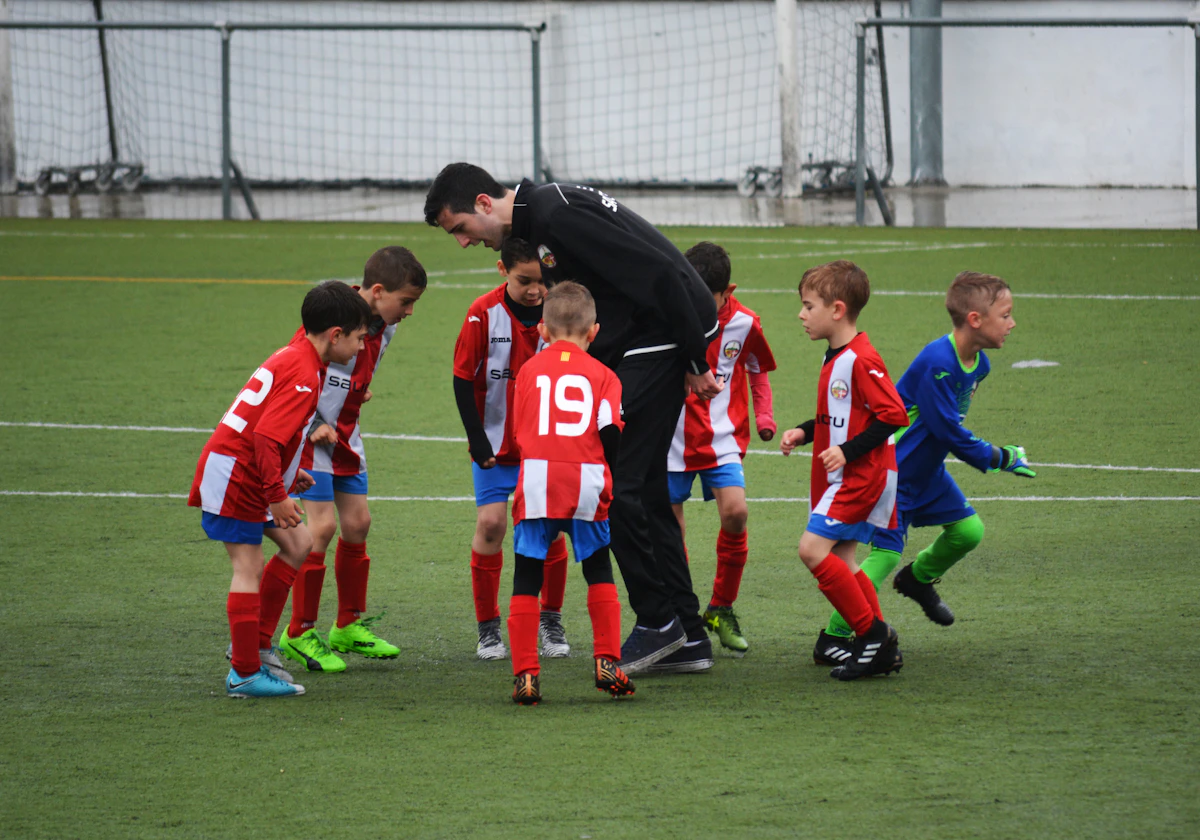
Free play builds curiosity, comfort, and confidence.
Ages 10–12
Foundation + Mental Skills
Ages 10–12
Foundation + Mental Skills

This is where habits start locking in.
Objective
Build clean technique, awareness, and early game intelligence.
Big Mistake
Relying only on team training. It is usually not enough.
Mental Performance
- This should start here.
- Confidence, focus, reset skills, and emotional control matter early.
- Learning this now impacts the rest of the player’s career.
What To Do
- 3–5 extra sessions each week.
- Work on first touch, passing, scanning.
- Start mental systems with a professional.

This is the age where extra reps start creating real separation.
Ages 13–15
Separation + Gym
Ages 13–15
Separation + Gym

This is where casual players start falling behind.
Objective
Turn the player into an intentional developer.
Gym
- Players should get more serious about the gym around 15.
- Strength helps speed, balance, confidence, and durability.
- This should be athletic development, not random lifting.
Game IQ + Mental Growth
- Start studying the game seriously.
- Use video analysis.
- Build stronger systems for pressure and setbacks.
What To Do
- Organize development across technical, tactical, physical, and mental pillars.
- Track habits.
- Train with much more intent.

A stronger athlete is usually a more capable and more confident athlete.
Ages 16–18
Exposure + Identity
Ages 16–18
Exposure + Identity

This is the scouting zone. If nobody sees you, opportunities shrink.
Objective
Be good enough and visible enough.
Critical Truth
You cannot rely fully on coaches. Many are part-time, stretched thin, or limited.
Player Needs
- Clear identity.
- Clear strengths.
- Highlights and film.
- Pressure stability.
Parent Role
- Be more like an agent.
- Help with logistics and exposure.
- Stay hands-off on the field.

At this stage, performance and visibility must work together.
Ages 18+
Professional Mindset
Ages 18+
Professional Mindset

Reaching a level is not the finish line. It is where many players plateau.
Objective
Maximize the pathway through discipline, clarity, and self-management.
Big Mistake
Thinking “I made it” and stopping active development.
What Elite Players Do
- Study film.
- Respect recovery.
- Track patterns.
- Stay disciplined through dips in form.
Parent Role
Step back. The center of control must belong to the athlete now.

Recovery, preparation, and self-management are performance tools.
Want to optimize your soccer journey with systems and coaching?
Join The Neuro Football Academy