

The Neuro Football Tryout System


Here Is The Tryout System
Chapter 1
A Tryout Is Not A Test
Why Tryouts Feel Stressful
When you go to a tryout, it can be very stressful — especially for kids. It can feel like a lot is on the line. It can feel like your future is on the line, people are judging you, one mistake matters, and everyone is watching how you play.
The Main Reframe
But here is the thing: a tryout is not a test you need to pass. It is an opportunity. People probably do not know who you are yet, so the tryout gives you a chance to show them your soccer brand.
The Nike Example
Would you buy an item from a brand you have never heard of? Probably not. But you will buy something from Nike because you have seen their brand and you like what you see. A tryout works the same way. You are exposing your brand of soccer.
What You Are Showing
- Who you are.
- How you play.
- What your energy is like.
- What your strengths are.
- What it feels like to have you in the environment.
The Key Lesson
Whatever people think, it is better than not being seen at all. If you have a bad tryout, most people probably will not remember it for very long. But if you represent yourself well, people can remember that.
Chapter 2
Opportunities Can Come From Anywhere

The Crazy Part
Here is the crazy part: I have personally had tryouts for a team where I did not get that exact opportunity, but I was able to impress other coaches. That got me offers from other teams.
My Division 1 Example
In fact, trying out for a semi-pro team is how I made it to Division 1 college soccer. Tryouts also helped me connect with clubs I actually wanted to be part of more.
The Bigger Point
So that is what I am saying: the tryout is not only about that one team. It can be about who sees you, who remembers you, who connects you, and what opportunities come from simply being in the environment.
Your Real Goal
The key is to represent yourself well because only good things can happen. You may not control the exact team decision, but you can control how people experience you.
Chapter 3
Understand What You Cannot Control

What Players Do Not Realize
There are a lot of things going on in the background that players do not know about. As a coach, I have personally seen tryouts where coaches already had most of the roster basically decided.
What Happens Behind The Scenes
- Coaches may already know certain players.
- Teams may only need one specific position.
- Players may have been recommended beforehand.
- Politics can sometimes be involved.
- Some roster spots may already be close to decided.
Why This Is Important
This is important because your job is NOT to control the roster. Your job is to represent yourself as well as possible.
What You Can Control
- Your energy.
- Your work rate.
- Your bravery.
- Your communication.
- Your reactions after mistakes.
- Your professionalism.
Chapter 4
Bring Energy People Want Around
What Coaches Want
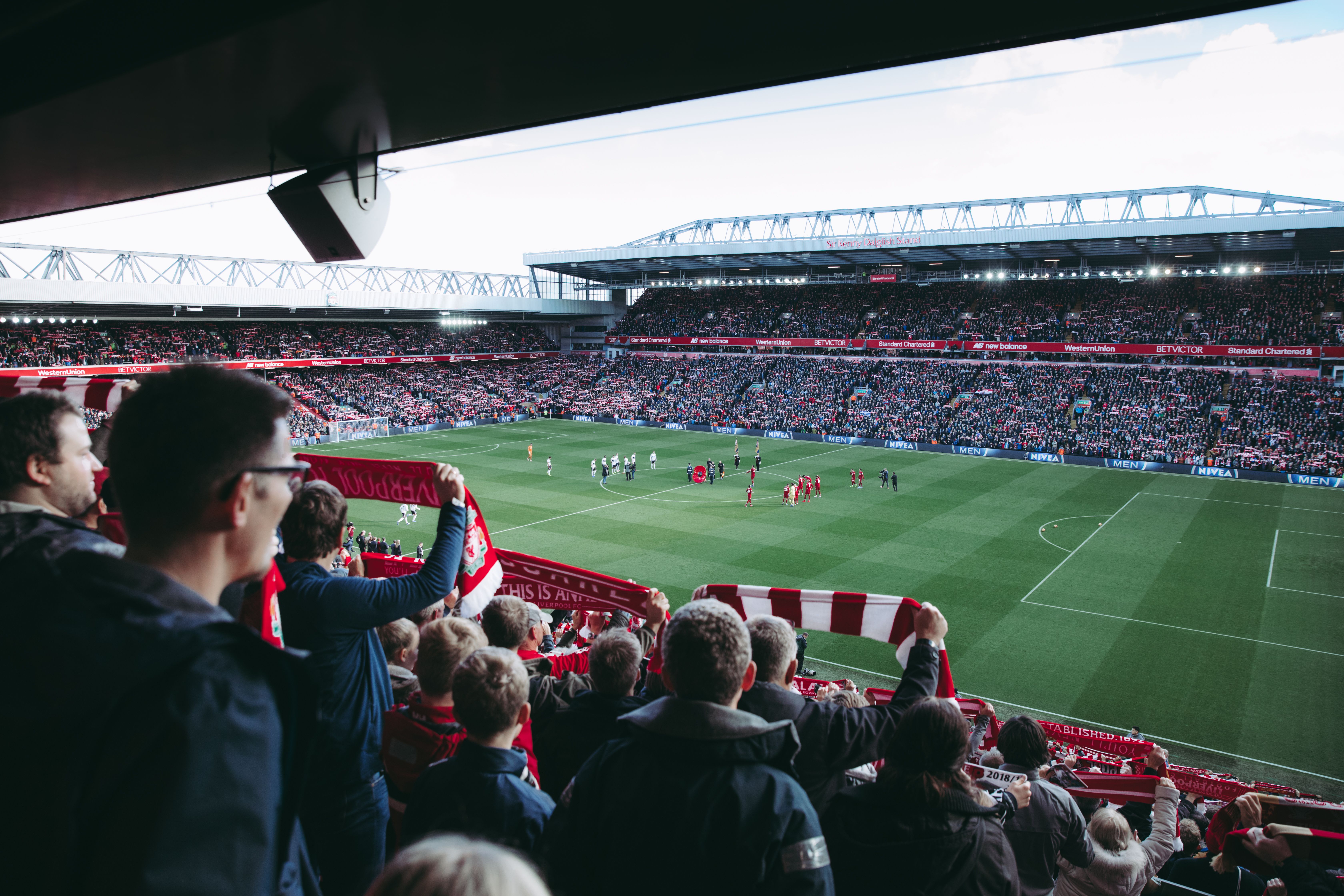
So what do coaches want to see at tryouts? They want to see a player that makes an impact and is good to work with.
Think Like A Coach
Think about it: if YOU were a coach, what type of player would YOU want around your team every day?
One Of Your Biggest Advantages
One of the biggest assets you can bring to a tryout is having an energy that people want to be around. Have your energy energize everyone you see.
What That Energy Looks Like
- Excitement to compete.
- Positive body language.
- Encouraging teammates.
- Confidence without arrogance.
- Being enjoyable to work with.
Chapter 5
Arrive With Your Game Face On

Have Your Game Face On
When you get to the tryout, have your game face on. That means focused eyes, confident body language, positive energy, and a big smile.
What This Signals
This signals to yourself and everyone around you: “I am ready to play.” Before you even touch the ball, people can feel your confidence, energy, and mentality.
Your Body Language Matters
- Focused eyes.
- Upright posture.
- Confident movement.
- Positive energy.
- Looking excited to compete.
Chapter 6
Arrive 30 Minutes Early

Why You Should Arrive Early
Try to get to the pitch at least 30 minutes early. This gives you time to settle your nerves, warm up properly, get comfortable with the environment, and adjust to the pitch.
Do Not Show Up Rushed
When you show up rushed, your mind feels rushed. Arriving early helps you calm down mentally and physically before the tryout begins.
What To Do Early
- Warm up properly.
- Get touches on the ball.
- Get used to the field.
- Take deep breaths.
- Mentally settle into the environment.
Chapter 7
Introduce Yourself To The Coach

Do Not Hide
One of the best things you can do is confidently introduce yourself to the coaches. A lot of players hide at tryouts because they are nervous. Do not hide.
Exactly What To Do
Walk up confidently. Shake their hand. Look them in the eye. Smile. You can simply say: “Hi coach, my name is _____. Thank you for having me today.”
Why Coaches Respect This
This instantly shows confidence, professionalism, maturity, and that you actually want to be there. Coaches appreciate players who want to be seen.
Chapter 8
Build A Pod With Teammates
The Problem With Tryouts
Many tryouts become chaotic because players try to play selfish hero ball. They think they need to do everything themselves to impress coaches.
Build A Pod
Instead, try to create a small pod of players who want to make each other look good. Talk, communicate, encourage teammates, and combine together.
Why This Helps
Soccer is a connection game. Players who communicate and connect well with others usually stand out more positively and play more naturally.
Bonus Strategy
Even better, tryouts are often easier when you already know players there. If possible, bring friends to the tryout with you — even if they are not seriously interested in the team.
Simple Communication
- “Man on.”
- “Turn.”
- “Time.”
- “Great ball.”
- “Keep going.”
- “I’m here.”
Chapter 9
Show Your Strengths
Do Not Play Scared
Coaches want players who make an impact. So take risks. Do not play scared. Do not just try to survive the tryout.
Show Your Identity
Your goal is not to show every single thing you can do. Your goal is to make your best qualities obvious and show people your soccer identity.
Examples Of Strengths
- If you are quick — run in behind aggressively.
- If you are good 1v1 — attack defenders.
- If you are vocal — communicate and lead.
- If you are smart — scan and organize.
- If you are technical — get on the ball.
- If you are aggressive — press and compete.
The Main Lesson
Fear creates invisible players. A lot of players become generic because they are nervous. Do not hide your strengths.
Chapter 10
Avoid Hero Ball

Understand The Difference
There is a difference between making an impact and trying to force everything yourself.
What Hero Ball Looks Like
- Dribbling when you should pass.
- Shooting from bad areas.
- Ignoring teammates.
- Trying to impress constantly.
What Good Impact Looks Like
- Taking smart risks.
- Attacking when the moment is right.
- Combining with teammates.
- Showing strengths naturally.
- Affecting the game positively.
Chapter 11
Use The Neuro Reset System

Mistakes Are Normal
Tryouts are stressful, so you are probably going to make mistakes. That is normal. Every player makes mistakes.
The Key Is Your Response
The key is not avoiding every mistake. The key is responding well after mistakes. A lot of players mentally disappear after one bad moment.
The Neuro Reset System
- 1. Breathe.
- 2. Reset your body language.
- 3. Communicate.
- 4. Move on immediately.
Do Not Mentally Spiral
If you lose the ball, do not drop your head. If you make a bad pass, do not disappear. If you miss a shot, do not mentally spiral. Reset quickly and get involved again.
Why Coaches Notice This
Coaches notice how players respond after mistakes. Sometimes that matters just as much as the mistake itself.
Chapter 12
Finish Strong
What Happens To Many Players
A lot of players start strong and then fade. They get tired, frustrated, quiet, and emotionally drained.
Do Not Let That Happen
Try to finish the tryout with good energy. Keep communicating, competing, pressing, asking for the ball, and encouraging teammates.
The Final Impression Matters
Coaches notice players who still compete hard late in the tryout. Fatigue exposes mentality.
Chapter 13
Leave A Positive Impression

Thank The Coach
At the end of the tryout, make sure to thank the coach for their time. Shake their hand, look them in the eye, smile, and leave on a positive note.
Why This Matters
You never know who is watching, who remembers you, who might recommend you, or what opportunities could come from the tryout later.
The Soccer World Is Small
The soccer world is much smaller than you think. Represent yourself well from beginning to end.
Parent Section
How Parents Should Help

Understand The Pressure
Parents should understand that tryouts can feel extremely stressful for kids. The goal is not to add more pressure. The goal is to help the player feel calm, supported, and prepared.
What Parents Should Help With
- Arriving early.
- Preparing equipment.
- Keeping the car ride calm.
- Reducing stress.
- Reinforcing confidence.
What NOT To Say
Do NOT say: “You have to make this team.” That creates unnecessary pressure.
Better Things To Say
- “Go represent yourself well.”
- “Play brave.”
- “Recover quickly after mistakes.”
- “We are proud of you for putting yourself in this environment.”
A tryout is not a test you need to pass. It is an opportunity to expose your soccer brand, represent yourself well, and create future opportunities.
Unlock The Full Neuro Football System