

How To Be The Parent Your Player Needs


Here Is The Parent System
Chapter 1
Remove Pressure + Expectations

The Main Shift
Your athlete should play to see how far they can go — not to meet expectations, prove something, or avoid disappointing people.
Why Expectations Hurt
- “You should start.”
- “You should dominate.”
- “You should go pro.”
- These turn the game into pressure instead of growth.
What To Reinforce
- Play with curiosity.
- Test yourself.
- Focus on growth, not proving.
- Long-term development matters more than short-term validation.

Chapter 2
Be The Emotional Anchor

What This Means
Your athlete should feel like they can have the worst game of their life and you still love them the same.
Why This Matters
- If love feels conditional, fear rises.
- If fear rises, freedom disappears.
- If freedom disappears, development slows.
What It Sounds Like
- “I love watching you compete.”
- “Keep going.”
- “I love you no matter what.”
- “Your standard is still higher than that.”

Chapter 3
Train The Controllables Filter

Uncontrollables
- Coach decisions
- Playing time
- Teammates
- Referees
- Results
Controllables
- Effort
- Focus
- Body language
- Preparation
- Response to mistakes
The Real Truth
They owe it to themselves to reach their best version. They are not doing this for the coach or the club. Clubs and coaches are focused on themselves, their teams, and their own outcomes.
What Parents Must Say
- “What did you control?”
- “How was your effort?”
- “How did you respond?”
- “What can you own here?”

Chapter 4
Set The Performance Standard
Do Not Judge
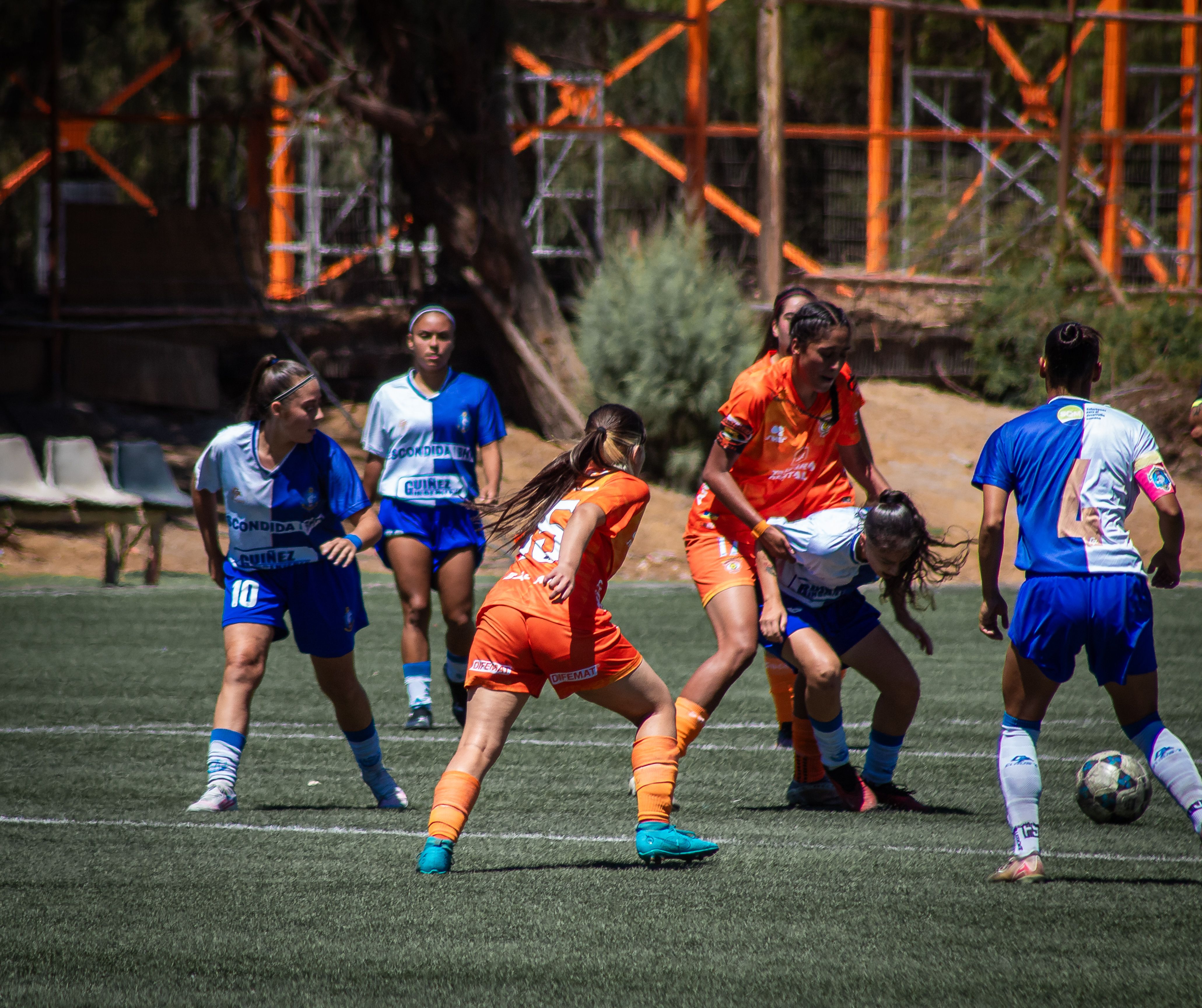
- Goals
- Stats
- Results
Do Demand
- Effort
- Focus
- Body language
- Courage
- Coachability
- Response to adversity
Why This Matters
Results fluctuate. Mindset compounds. A strong performance mindset builds long-term excellence even when short-term results are uneven.
Chapter 5
Reward The Right Things

Good Result + Bad Mindset
Do not glorify it. Tell them the result does not hide the standard. Long term, poor mindset will catch up to them.
Poor Result + Strong Mindset
Reinforce it strongly. That is the mentality that grows into a high-level athlete.
Do Not Bribe Outcomes
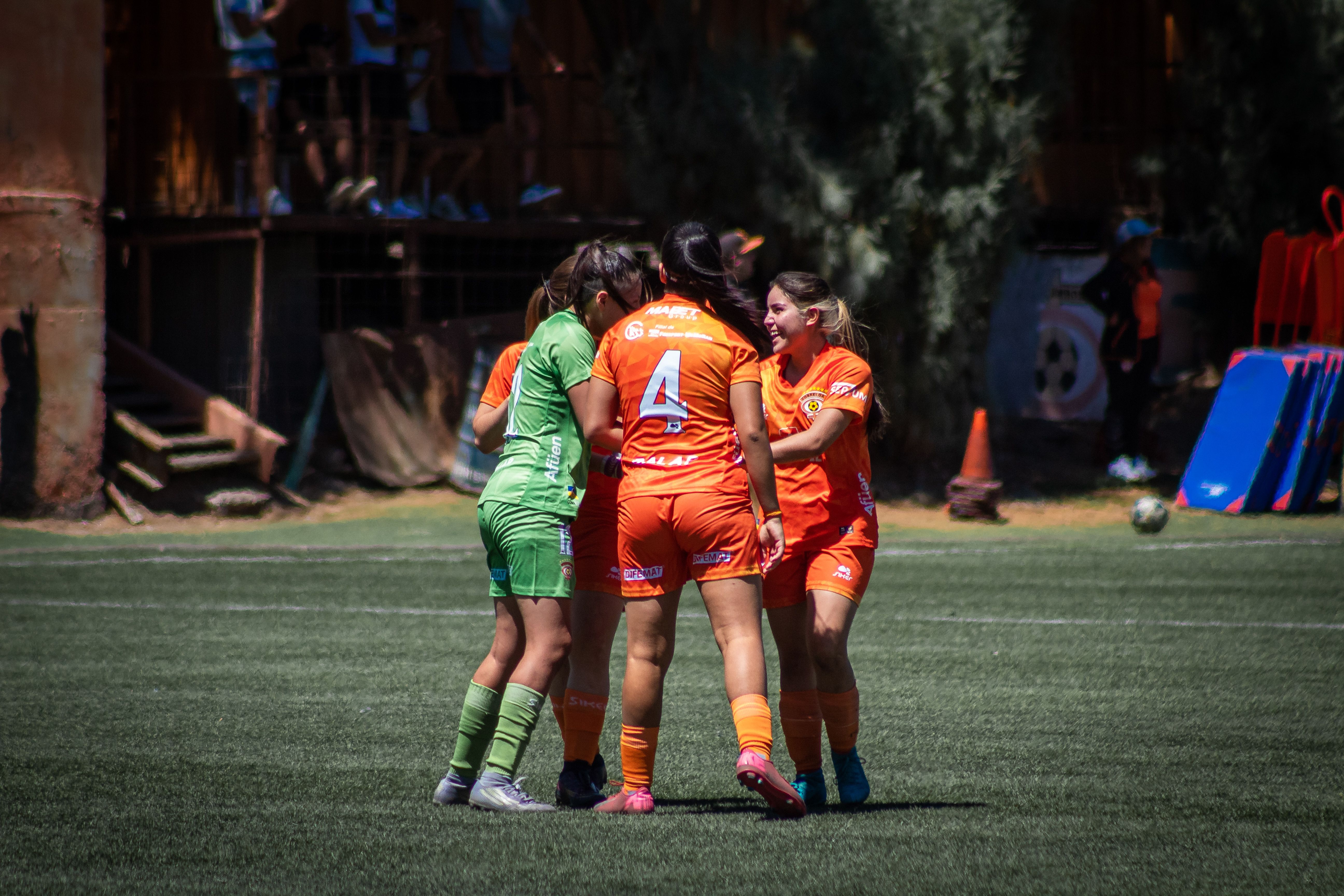
- No ice cream for goals.
- No rewards for stats.
- Save rewards for rare, elite mentality.
Chapter 6
Model + Think Long Term

Model The Standard
If you want them calm, stay calm. If you want them resilient, be resilient. If you want them to think long term, show them what long-term thinking looks like.
Development Reality
- Development is slow.
- Development is uneven.
- Development is non-linear.
What Parents Must Avoid
- Panicking over one game.
- Chasing quick success.
- Reacting emotionally to short-term setbacks.

Chapter 7
Communicate The Right Way
The First Rule
Give them space right after the match. Especially the first 5 minutes. Let them process and decompress.
Do Not Chase Them
If they want to talk, they will come to you. Do not force the conversation while emotions are high.
What To Say Later
- “I loved watching you play.”
- “Do you want feedback or space?”
- Keep the car ride home safe, not evaluative.
Chapter 8
Build Ownership

What To Transfer
- Mindset
- Preparation
- Reflection
- Discipline
Why It Matters
If parents do everything, the athlete stays dependent. The goal is to build someone who can manage themselves and own their journey.
Want to optimize your athlete’s journey with systems, mindset, and coaching?
Join The Neuro Football Academy